


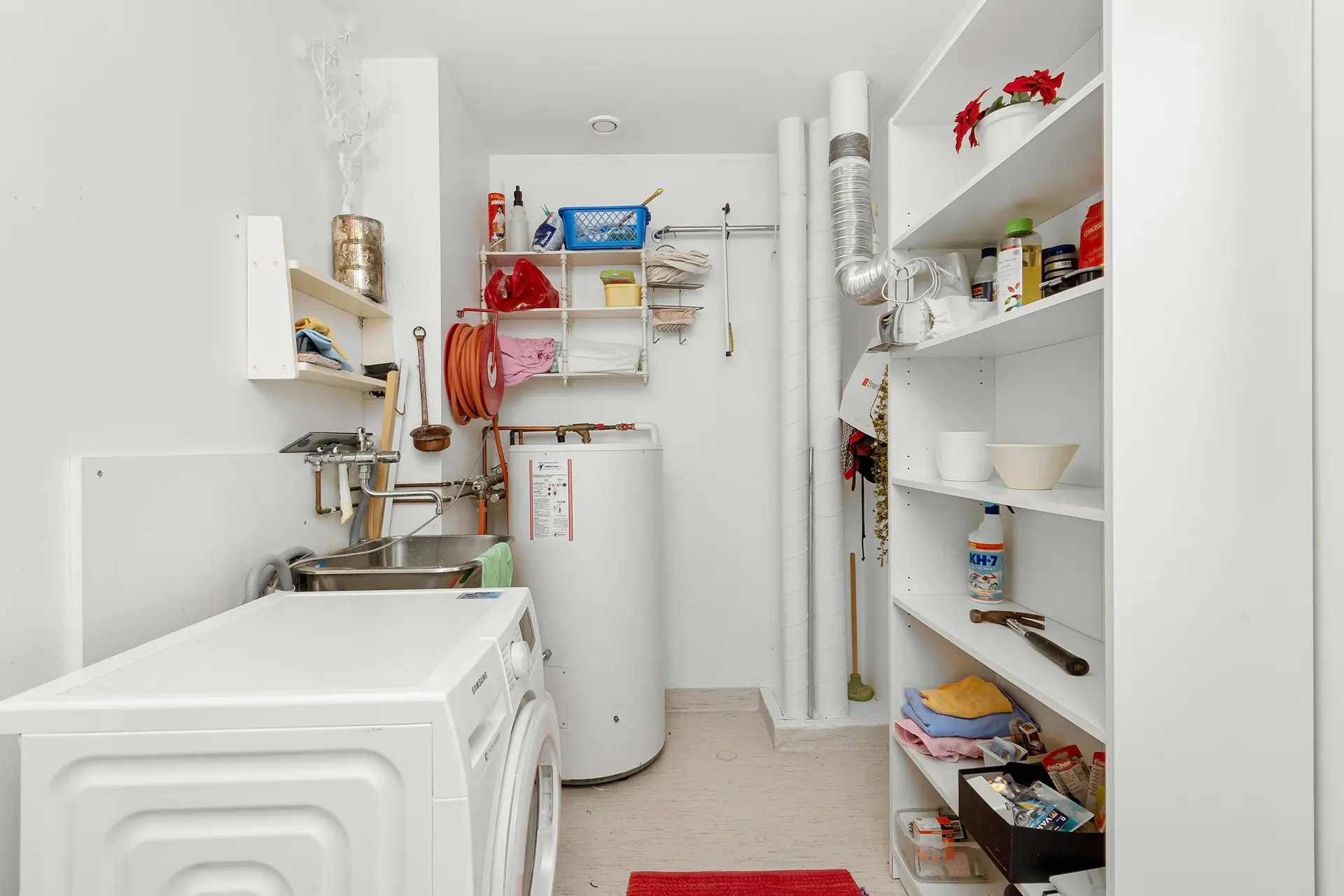
Most homeowners don’t think about their water heater until something goes wrong. One day you have hot water, the next you’re standing in a cold shower, or worse, dealing with a leaking tank in your basement.
The problem is that water heaters rarely fail without warning. In most cases, the signs are there weeks or even months in advance. If you know what to look for, you can replace your water heater before it becomes an emergency, and avoid costly water damage in the process.
How Long Do Water Heaters Actually Last?
Before getting into warning signs, it helps to know what’s normal.
Most traditional tank water heaters last 8 to 12 years, while tankless systems can last 15 to 20 years with proper maintenance.
That said, lifespan isn’t just about age. Several factors can shorten it, including:
- Hard water (common in Maryland)
- Lack of routine maintenance or flushing
- Sediment buildup inside the tank
- High daily water usage
Even if your system isn’t “old” yet, these factors can cause it to wear out faster than expected.
7 Warning Signs Your Water Heater Is About to Fail
These are the signs homeowners most often notice before a water heater breaks down completely.
1. Inconsistent or No Hot Water
If your hot water runs out faster than it used to, or temperatures fluctuate, your system may be struggling. This is often caused by sediment buildup or failing heating elements. Either way, it’s a sign your water heater isn’t working efficiently anymore.
2. Rusty or Discolored Water
If your hot water has a brown or rusty tint, corrosion may be happening inside the tank. This is especially concerning because once the inside of the tank starts breaking down, replacement is usually not far off.
3. Strange Noises Coming from the Tank
Hearing popping, rumbling, or banging noises? That’s typically hardened sediment at the bottom of the tank. As water heats, it pushes through that buildup, creating noise and putting extra stress on the system.
Over time, this can lead to overheating and internal damage.
4. Water Around the Base of the Unit
Even a small amount of water around your water heater shouldn’t be ignored.
Minor leaks can quickly turn into major ones, especially as pressure and temperature changes expand small cracks in the tank.
If your tank is leaking, replacement is usually the safest option.
5. Increasing Energy Bills
An aging water heater has to work harder to produce the same amount of hot water. If you’ve noticed your energy bills creeping up without a clear reason, your water heater could be losing efficiency.
6. Low Hot Water Pressure
Reduced pressure when using hot water can be caused by mineral buildup inside the tank or connecting pipes. This is especially common in areas with hard water, where scale buildup restricts flow over time.
7. Your Water Heater Is Over 10 Years Old
Even if everything seems to be working, age alone is a major factor.
Once a water heater passes the 10-year mark, the risk of failure increases significantly. Many homeowners choose to replace their system proactively rather than wait for a breakdown.
Repair or Replace: How to Decide
Not every issue means you need a full replacement, but many do.
A repair may make sense if:
- The unit is under 8 years old
- The issue is minor (like a thermostat or heating element)
Replacement is usually the better option if:
- The tank is leaking
- Multiple issues are happening at once
- The system is near the end of its lifespan
A simple rule of thumb:
If a repair is going to cost 30–50% of a new system, replacement is often the smarter long-term investment.
What Happens If You Wait Too Long?
Waiting until your water heater fails can lead to more than just inconvenience! A ruptured tank can release dozens of gallons of water into your home, causing damage to:
- Flooring
- Walls
- Stored belongings
- Finished basements
Emergency replacements also tend to be more expensive and stressful, especially if you’re dealing with water cleanup at the same time.
Most of these situations can be avoided by addressing warning signs early.
When It’s Time to Call a Professional
If you’re noticing any of the signs above, it’s a good idea to have your system looked at.
You should consider calling a plumber if:
- You see water around the unit
- Your hot water is inconsistent or gone completely
- You hear unusual noises from the tank
- Your water looks discolored
- Your system is over 10 years old
Even if you’re unsure, getting a professional opinion can help you avoid bigger problems.
Water Heater Options: What to Expect
If it is time for a replacement, you’ll have a few options.
Traditional tank water heaters are the most common and typically have a lower upfront cost. Tankless systems, on the other hand, offer longer lifespans and improved energy efficiency.
The right choice depends on your home, water usage, and long-term goals. Proper sizing is also important. An undersized system can leave you without enough hot water, while an oversized one can waste energy.
A professional recommendation helps ensure you get a system that fits your needs. At Ahoy Plumbing, we can help you with solutions to fit every situation. There’s lots of amazing ways to help you get what you need.
Why Maryland Homes Need Extra Attention
In Maryland, water heaters often face additional wear and tear.
Hard water in areas like Carroll, Frederick, and Baltimore County leads to faster mineral buildup inside tanks. Over time, this reduces efficiency and increases strain on the system. Older homes in the region may also have aging plumbing, which can contribute to pressure issues and sediment accumulation.
Because of these factors, local homeowners often see water heater problems develop sooner than expected.
Need to Repair or Replace Your Water Heater?
If your water heater is showing signs of wear, or just not performing like it used to, it’s better to deal with it now rather than wait for a full breakdown.
At Ahoy Plumbing, we help homeowners across Carroll County, Baltimore County, and Frederick County figure out the best next step, whether that’s a simple repair or a full replacement.
If something doesn’t seem right, give us a call. We’ll take a look, explain what’s going on, and help you make the right call for your home.
Call Ahoy Plumbing at (443) 343-2920 to get your hot water back on track.